The web development landscape is evolving at an unprecedented pace. Several emerging technologies are now fundamentally changing how we build, deploy, and experience web applications. Understanding these technologies is crucial for developers who want to stay competitive and build cutting-edge digital experiences.
The State of Modern Web Development
Web development today looks dramatically different from just a few years ago. The lines between web and native applications continue to blur, JavaScript frameworks are maturing, and new paradigms like edge computing are changing infrastructure fundamentals. Developers now have access to capabilities that were once exclusive to native apps, while maintaining the web's core advantages of universal accessibility and instant updates.
WebAssembly: Near-Native Performance on the Web
WebAssembly (Wasm) has matured from an experimental technology to a production-ready platform. It allows developers to run code written in languages like Rust, C++, and Go at near-native speeds in the browser. This opens up new possibilities for web applications—from complex 3D graphics and video editing to machine learning models running entirely client-side. Major platforms like Figma and AutoCAD have already leveraged WebAssembly to deliver desktop-class performance in the browser. The ecosystem is growing rapidly with tools like WasmEdge and WASI expanding Wasm's capabilities.
Edge Computing and Serverless at Scale
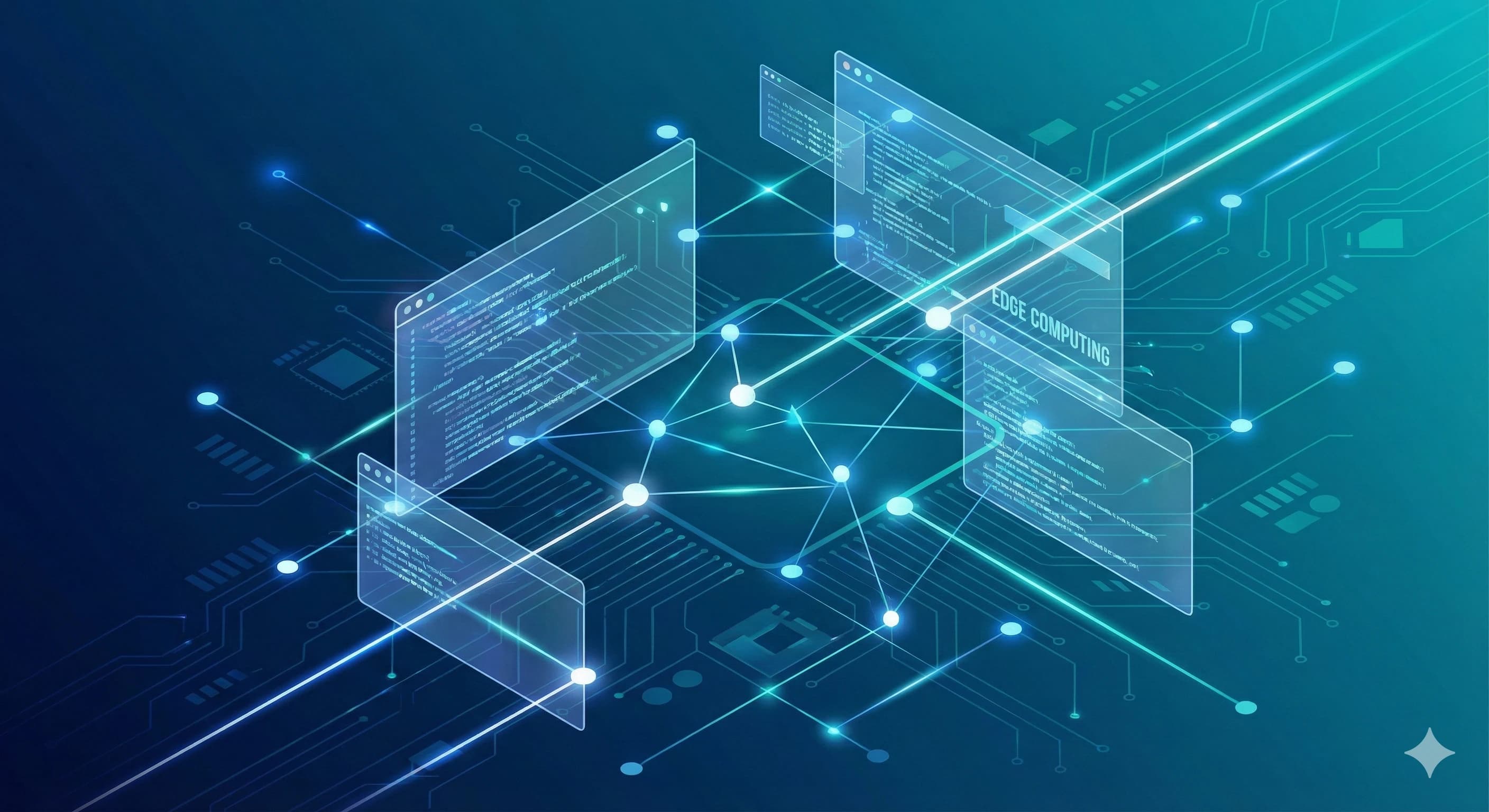
Edge computing is revolutionizing how we think about server architecture. By processing data closer to users—at the edge of the network—we can dramatically reduce latency and improve performance. Platforms like Cloudflare Workers, Vercel Edge Functions, and AWS Lambda@Edge allow developers to run code globally with minimal configuration. This shift enables real-time personalization, faster API responses, and better user experiences worldwide, regardless of geographic location. Edge computing is particularly powerful for dynamic applications that need to serve global audiences with consistent performance.
AI-Assisted Development
AI coding assistants like GitHub Copilot, Cursor, and various specialized tools are changing the development workflow. These tools can generate boilerplate code, suggest optimizations, catch bugs before they happen, and even explain complex codebases. While they won't replace developers, they're making developers significantly more productive. The key is learning to collaborate effectively with AI tools while maintaining code quality and understanding. The best developers are learning to use AI as a pair programming partner, not a replacement for knowledge.
Modern JavaScript Frameworks and Meta-Frameworks
The JavaScript ecosystem continues to evolve with frameworks like React, Vue, and Svelte pushing boundaries. Meta-frameworks like Next.js, Nuxt, and SvelteKit are abstracting complexity while adding powerful features like server components, streaming SSR, and automatic code splitting. These tools enable developers to build fast, SEO-friendly applications with excellent developer experience. The trend is toward full-stack frameworks that handle everything from routing to data fetching.
Web Components and the Future of Frameworks
Web Components—custom, reusable elements built using standard web technologies—are gaining traction as a framework-agnostic solution. With browser support now universal and tools like Lit making development easier, we're seeing a shift toward component-based architectures that work across any framework. This interoperability is crucial as teams seek to avoid framework lock-in and build more maintainable codebases. The ability to write components once and use them anywhere is becoming increasingly valuable.
Progressive Web Apps and Native Capabilities
PWAs continue to blur the line between web and native applications. With new APIs for file system access, device hardware integration, and offline-first architectures, web apps can now deliver experiences that rival native applications. The ability to install web apps, receive push notifications, and work offline makes PWAs an increasingly attractive option for businesses seeking cross-platform reach without the overhead of maintaining separate native apps. Companies like Twitter and Spotify have successfully deployed PWAs to reach billions of users.
TypeScript and Type Safety
TypeScript has become the de facto standard for large-scale web applications. The benefits of type safety—catching bugs at compile time, better IDE support, improved refactoring—are now widely recognized. The ecosystem has embraced TypeScript, with most major libraries offering first-class TypeScript support. Even JavaScript-first frameworks are adding TypeScript-specific features. The investment in learning TypeScript pays dividends in code quality and developer productivity.
Conclusion
The future of web development is exciting and full of possibilities. These emerging technologies aren't just incremental improvements—they represent fundamental shifts in how we build for the web. As developers, our challenge is to stay curious, experiment with new tools, and adopt technologies that genuinely improve user experiences. The web platform has never been more capable, and developers who embrace these technologies will be well-positioned to build the next generation of digital experiences.