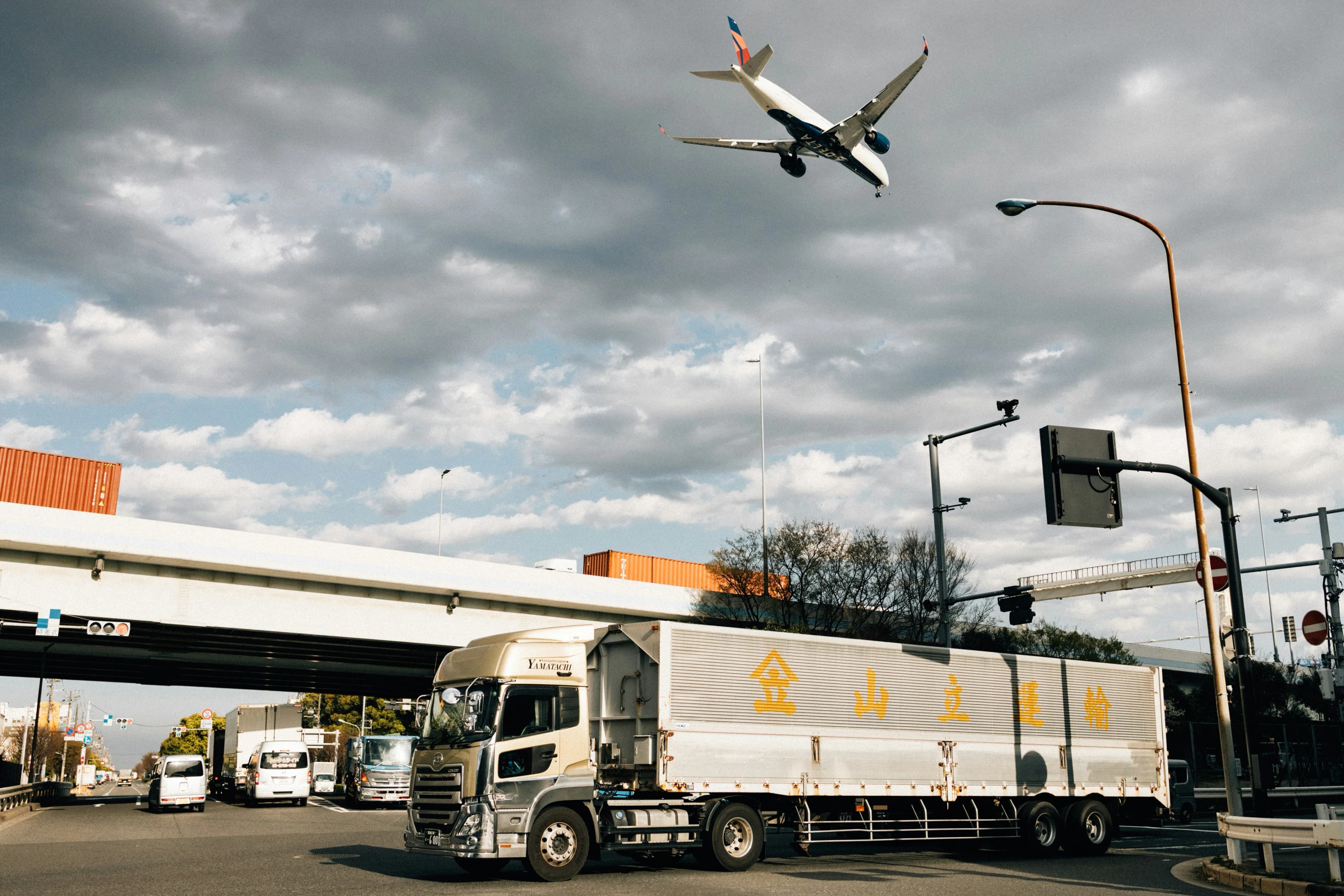
Logistics, automotive, and aviation are three of the most operationally complex industries on earth. Every minute of downtime in a logistics network costs money. Every error in an automotive dealership's inventory system loses a sale. Every scheduling failure in aviation operations has safety and regulatory consequences. These industries cannot afford generic software that approximates their workflows — they need purpose-built custom software development that understands the specific operational, compliance, and integration requirements of their sector. This guide explores how custom web applications, AI automation, and modern SaaS platforms are transforming operations across logistics, automotive, and aviation businesses.
Why Transportation Industries Need Custom Software
The transportation industries share a common characteristic: their operations are inherently complex, time-sensitive, and highly interconnected. A logistics company's operations span drivers, vehicles, routes, customers, warehouses, and regulatory compliance — all moving simultaneously. An automotive dealership must manage physical inventory, digital listings, financing applications, service bookings, and customer relationships across multiple channels. An aviation operation coordinates crew scheduling, aircraft maintenance, regulatory compliance, passenger management, and real-time operational monitoring. Off-the-shelf software can handle pieces of these operations, but the integration between systems — and the custom logic that governs how each piece talks to the others — is where generic tools consistently fail. Custom software development fills this gap with purpose-built solutions that understand how these businesses actually work.
Logistics Software Development: Fleet, Routes, and Supply Chain
Modern logistics software development goes well beyond basic fleet tracking. A comprehensive logistics platform integrates real-time GPS tracking for every vehicle in the fleet, AI-powered route optimisation that minimises fuel cost and delivery time simultaneously, automated driver dispatch based on location, availability, and load capacity, customer-facing delivery tracking portals with live ETA updates, electronic proof of delivery with signature capture, and automated invoice generation triggered by delivery confirmation. Supply chain software development extends this into warehouse management — inventory control, inbound receiving workflows, pick-and-pack optimisation, and integration with supplier ordering systems. The result is end-to-end visibility across the entire logistics operation, from supplier to end customer, with automation replacing manual coordination at every step.
Delivery Management Apps: Real-Time Tracking and Automation
Delivery management app development has become one of the most in-demand areas of logistics software development, driven by customer expectations shaped by Amazon and major courier services. A custom delivery management app provides dispatchers with a real-time map view of all active deliveries, the ability to reassign deliveries dynamically when issues arise, automated customer notifications at each stage of the delivery journey, and performance analytics that identify drivers, routes, and time windows with the best and worst delivery success rates. For last-mile delivery businesses, AI automation in delivery management can reduce failed deliveries by 25–35% through predictive rescheduling and proactive customer communication — a direct impact on operational cost and customer satisfaction scores.
Automotive Software: Dealerships, Inventory, and Service Management
Automotive software development for dealerships addresses the full vehicle lifecycle from stock acquisition to sale and after-sales service. A custom dealership management system integrates vehicle inventory management with VIN-level detail, digital listing syndication to multiple marketplaces, finance application processing and lender integration, sales pipeline management with AI-powered lead scoring, and service booking with technician scheduling and parts inventory. Vehicle management software development for fleet operators and rental companies adds utilisation tracking, maintenance scheduling triggered by mileage or usage hours, and depreciation modelling for accurate asset valuation. AI automation in automotive contexts includes predictive maintenance alerts, automated customer follow-up for service reminders, and AI chatbots that handle initial vehicle enquiries on dealership websites 24 hours a day.
Aviation Software Development: Operations, Compliance, and Scheduling
Aviation software development operates under the strictest regulatory and safety requirements of any industry. Every system must be reliable, auditable, and compliant with the relevant aviation authority's requirements. Custom aviation management software covers crew scheduling and fatigue risk management — calculating legal duty period limits and ensuring crews are always within regulatory boundaries. Aircraft maintenance tracking software manages airworthiness directives, component life limits, scheduled maintenance tasks, and unscheduled defect management. Operations control systems provide real-time visibility of the fleet, enabling operations teams to manage delays, crew changes, and ground handling across multiple stations simultaneously. Aviation saas development also covers passenger management tools for charter operators — booking systems, manifest management, catering requests, and ground transport coordination.
AI and Automation Across Transportation Industries
AI is creating new operational capabilities across all three transportation sectors. In logistics, AI route optimisation continuously recalculates delivery sequences based on real-time traffic data, reducing fuel costs and increasing daily delivery capacity without adding vehicles or drivers. In automotive, AI in automotive software enables predictive parts stocking based on vehicle age profiles in the service book — ensuring the right parts are in stock before the vehicle arrives. In aviation, AI-powered irregularity management tools can automatically generate recovery options — alternative routings, spare aircraft assignments, crew swaps — for operations controllers to review and approve when disruptions occur, cutting the time to resolution from hours to minutes. Voice AI agents are also being deployed across all three sectors for customer service, driver communication, and operational status updates.
Building Scalable, Integrated Transportation Software
The architecture of transportation software must be built for scale and reliability from day one. A logistics platform that works for 50 deliveries per day must be designed to handle 5,000 without architectural changes — because growth in transportation businesses can be rapid and non-linear. Cloud-native architecture on AWS, Google Cloud, or Azure provides the elastic compute and storage needed for variable load. Real-time data processing using event-driven architecture ensures that GPS updates, status changes, and operational events are reflected across the platform within seconds. Integration with industry-standard data sources — government compliance databases, mapping and traffic APIs, financial systems, and third-party logistics networks — is built with robust error handling and automatic retry logic to ensure data reliability in mission-critical environments.
Conclusion
Logistics, automotive, and aviation businesses have operational challenges that generic software was never designed to solve. Purpose-built custom software development — informed by deep understanding of industry-specific workflows, compliance requirements, and integration needs — delivers platforms that become genuine operational advantages rather than administrative overhead. BitIngenuity builds custom logistics software, automotive SaaS platforms, and aviation management systems for transportation businesses across the US, Australia, and globally. Whether you are managing a fleet of delivery vehicles, running a multi-site dealership group, or operating an aviation charter business, we build the software your operations actually need.