Artificial Intelligence is no longer just a buzzword in the tech industry—it's fundamentally reshaping how designers create user experiences. AI-powered tools are now becoming indispensable in the UX designer's toolkit, enabling us to create more intuitive, personalized, and efficient interfaces.
The Evolution of AI in Design
The journey of AI in design has been remarkable. What started as simple automation tools has evolved into sophisticated systems capable of understanding context, predicting user behavior, and even generating creative solutions. Early AI tools focused on repetitive tasks like resizing images or generating color variations. Today's AI systems can understand design principles, brand guidelines, and user psychology to create complete design solutions that feel human-crafted.
Predictive UX: Anticipating User Needs
AI algorithms can analyze user behavior patterns to predict what users want before they even ask for it. This predictive capability allows designers to create interfaces that adapt in real-time, presenting relevant content and features based on user context, history, and preferences. Companies like Netflix and Spotify have mastered this approach, using machine learning to curate personalized experiences that keep users engaged. The key is finding the balance between helpful predictions and respecting user privacy.
AI-Powered Design Tools
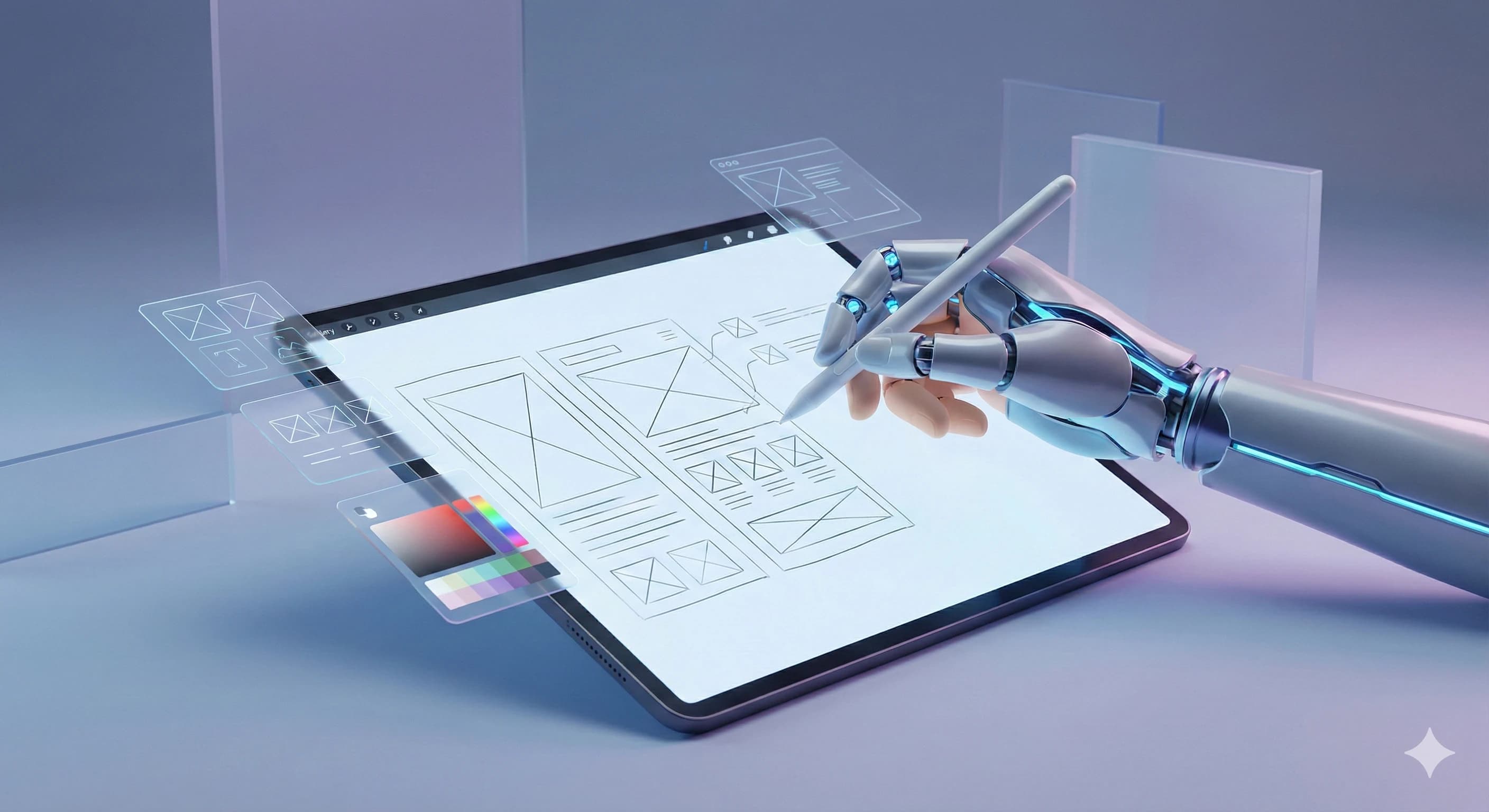
The emergence of AI design assistants has accelerated the design process dramatically. Tools like Figma's AI features, Adobe Sensei, and various generative design platforms can now suggest layout improvements, generate color palettes, create responsive designs automatically, and even produce entire design systems. This doesn't replace designers—it empowers them to focus on strategic thinking and creativity while AI handles repetitive tasks. Modern AI tools can analyze thousands of successful designs to suggest improvements and catch potential usability issues before they reach users.
Personalization at Scale
AI enables hyper-personalization that was previously impossible at scale. By analyzing vast amounts of user data, AI can create unique experiences for each user, adjusting everything from content hierarchy to visual styling based on individual preferences and behaviors. This level of personalization leads to higher engagement rates and better user satisfaction. E-commerce platforms use AI to create personalized shopping experiences, showing products and layouts tailored to each visitor's preferences and shopping history.
Voice and Conversational Interfaces
Natural Language Processing (NLP) has opened new frontiers in UX design. Voice assistants and chatbots powered by AI can understand context, sentiment, and intent, creating more natural interactions. Designers are now creating multi-modal experiences where users can seamlessly switch between voice, touch, and visual interactions. The challenge lies in designing conversation flows that feel natural while handling the complexity of human language.
Accessibility and Inclusive Design
AI is making digital products more accessible than ever. From real-time captioning and image description generation to adaptive interfaces that adjust for users with different abilities, AI is helping designers create truly inclusive experiences. Voice interfaces powered by natural language processing are opening new doors for users with motor impairments. AI can also detect and suggest fixes for accessibility issues during the design process, making inclusive design easier to achieve.
Ethical Considerations and Challenges
With great power comes great responsibility. As AI becomes more prevalent in design, we must address important ethical questions. How do we ensure AI doesn't perpetuate biases? How do we maintain transparency when AI makes design decisions? Designers need to be aware of algorithmic bias, data privacy concerns, and the importance of keeping humans in the loop. The goal is to use AI as a tool that enhances human creativity and decision-making, not replaces it.
Conclusion
As AI continues to evolve, the relationship between designers and artificial intelligence will become increasingly collaborative. The future of UX design isn't about AI replacing designers—it's about designers leveraging AI to create experiences that are more human, more intuitive, and more inclusive than ever before. The key is to embrace these tools while maintaining our focus on empathy, ethics, and user-centered design principles.